Political texting, explained.
Field notes on running verified voter outreach, 10DLC and TCPA in plain language, and what actually moves a race.
Start here — the complete guides
Case File: The Trump Campaign's TCPA Text Lawsuits
If a presidential campaign can get sued for texting voters without consent, so can yours. A factual look at the TCPA suits brought against the Trump 2020 campaign, and what they teach every campaign.
What Your Opt-in Language Should Say
The words at your opt-in point are your consent record and your first impression. Here's what good opt-in language includes, why clarity protects you, and the elements carriers and regulators expect to see.
What's the Difference Between P2P Platforms and Broadcast Platforms?
P2P platforms route messages through human senders one at a time, pitched as avoiding autodialer rules. Broadcast platforms send to many at once. The 'P2P avoids the TCPA' pitch is shakier than vendors claim, courts look at whether automation was really used.
Do State Privacy Laws Reach Campaign Texting Data?
A wave of state consumer-privacy laws governs how organizations collect and use personal data, including phone numbers. Here's how they may touch campaign texting data, the common exemptions, and why good data hygiene matters regardless.
Chasing Absentee Ballot Requests by Text
Before you can chase a ballot, voters have to request one. Here's how campaigns use texting to drive absentee ballot requests, why it's the earliest and most durable turnout tactic, and how it feeds the rest of GOTV.
Constituent Service by Text
Responsiveness is the whole job. Text is the fastest way to be responsive. How elected officials use two-way texting for case work, follow-ups, and the small touches that build trust.
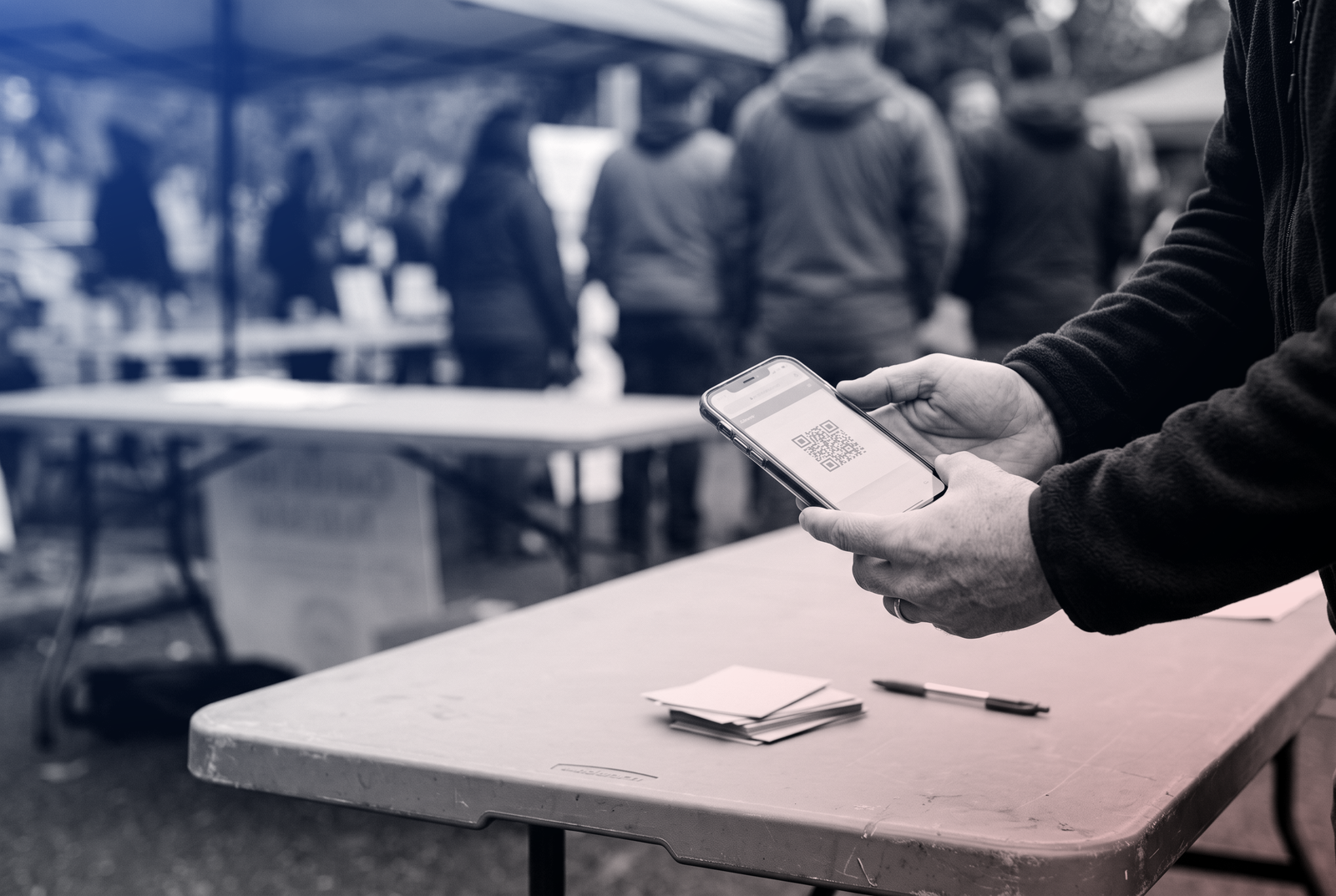
Running a Voter Registration Drive by Text
Texting can drive voter registration, pointing people to register, checking status, and hitting deadlines. Here's how campaigns and groups run a registration drive by text, and how it doubles as list growth.
Shipped: The Voter File and Audience
The voter file and audience is live in Txtra. Import, match, and manage the people you're allowed to text, the voter file and audience tools that turn raw d
Can an Elected Official Text Constituents?
Yes, with consent, but draw a hard line between official and campaign communications. Official office texts to constituents who opted in follow the texting rules; using official constituent lists for campaign or fundraising texts crosses into rules against that, check your jurisdiction.
Petition and Ballot-Access Signature Gathering by Text
Getting on the ballot and qualifying measures both run on signatures, and texting can accelerate the gather. Here's how campaigns use text to drive petition signing, recruit circulators, and track progress against a deadline.

Recruiting Poll Workers and Observers by Text
Election Day needs bodies, poll workers, observers, protection volunteers, and texting is the fastest way to recruit and coordinate them. Here's how campaigns fill these critical roles by text and keep them staffed.
Building a Texting Calendar for a Campaign
A texting calendar turns scattered sends into a plan. Here's how campaigns build a texting calendar around the election arc, balance message types, and avoid the over-texting that burns a list.