Political Texting 101
The fundamentals of political texting for campaigns: what it is, how SMS and RCS voter outreach works, and how to get started.
MMS File Limits by Carrier: Why Your Photo Text Won't Send
You attach a rally photo or a candidate video, hit send, and it silently fails to some voters. The reason is carrier MMS size limits, and they're smaller than you think. What campaigns can actually send.
How to Write Your First Compliant Political Text
A short, practical template for a first political text that's both compliant and effective, who you are, what you want, how to opt out, in under 160 characters.
What Is Political Texting? The Complete Guide for Campaigns
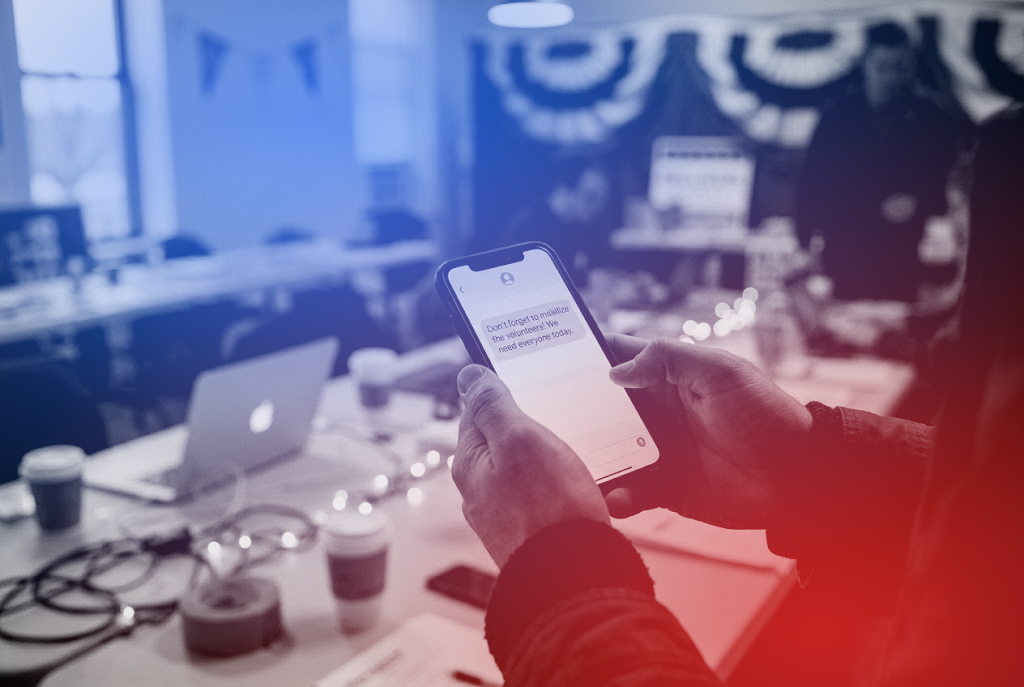
Political texting is how campaigns reach voters by SMS and RCS to persuade, mobilize, fundraise, and organize. This complete guide covers how it works, the two formats, use cases, the rules, cost, and how to start a program that lands.
Political Texting for a First-Time Candidate
A plain-language guide for first-time candidates on texting voters, what it's for, what the rules are, and how to start without getting yourself in trouble.
How Much Does Political Texting Cost?
Political texting is priced per message, typically a fraction of a cent to a few cents per SMS segment, plus carrier and registration fees. The real cost drivers are volume, segments per message, and whether you're sending MMS or RCS.
SMS vs RCS for Political Campaigns: Which Should You Use?
Use SMS as your reliable baseline, it reaches every phone. Use RCS where it's supported for richer, verified, branded messages with far higher engagement. In practice you send RCS with automatic SMS fallback, so you get both.
What Is Peer-to-Peer (P2P) Texting?
Peer-to-peer texting is when a real person sends each message one at a time, rather than software blasting a whole list. Here's what P2P is, why the human matters legally and practically, and what campaigns use it for.
What Is Broadcast Texting? Mass SMS for Campaigns
Broadcast texting is one message sent to a whole opted-in list at once. Here's what it is, how it differs from peer-to-peer, what campaigns use it for, and the consent it requires.
SMS vs MMS vs RCS, Which Political Text Format to Use
SMS is plain text, MMS adds images, RCS adds verified branding and interactivity. Here's how the three text formats differ, what each costs and does, and which one a political campaign should use when.
What Is a Text-to-Join Keyword, and How Do I Set One Up?
A text-to-join keyword lets people opt in by texting a word (like JOIN) to your number. They text the word, get a confirmation with the required disclosures, and they're a documented, consented contact, the cleanest opt-in there is.
How Long Should a Political Text Be?
Keep it under 160 characters when you can, that's one SMS segment, which is cheaper, faster, and more likely to be read. One message, one point, one action. Longer messages split into multiple billed segments and lose the reader.
What Is an Opt-in? Consent in Political Texting, Explained
An opt-in is the moment a voter agrees to receive your texts. Here's what an opt-in is, what makes one valid, why it's the foundation of a compliant list, and what doesn't count.