Campaign Tactics
Peer-to-peer and broadcast texting, GOTV, text banking, fundraising, and list growth, the tactics that win voter contact.
How Do I Write a GOTV Text That Actually Works?
Make it personal, specific, and action-ready: name the voter, give the exact deadline and their polling place, and one tap to act. GOTV texts work when they remove friction, not when they shout. Plan-making language beats urgency alone.
The Welcome Text, Your First Message Best Practices
The welcome text is the first message a new subscriber gets, and it sets the tone for the whole relationship. Here's what a good welcome text says, why it matters for compliance, and how to make it convert.
Why Are My Campaign Texts Not Delivering?
The usual culprits are missing or incomplete 10DLC registration, a weak sender reputation, content that trips spam filters, or sending to dead or unconsented numbers. Carriers filter silently, so 'sent' doesn't mean 'delivered.'
How Often Should You Text Voters?
Texting cadence is a balance, enough to stay present, not so much that people opt out. Here's how to think about frequency, how it changes across the campaign, and how segmentation lets you send more without burning out.
Re-Engaging a Lapsed Texting List
A list that's gone quiet is still an asset if you re-engage it carefully. Here's how to bring a lapsed texting list back to life without triggering a wave of opt-outs, and when to let cold contacts go.
Surveys and Polling by Text
Text is a fast, cheap way to survey voters and gather issue data. Here's how campaigns run surveys and polls by text, what the data is good for, and the limits to keep in mind.
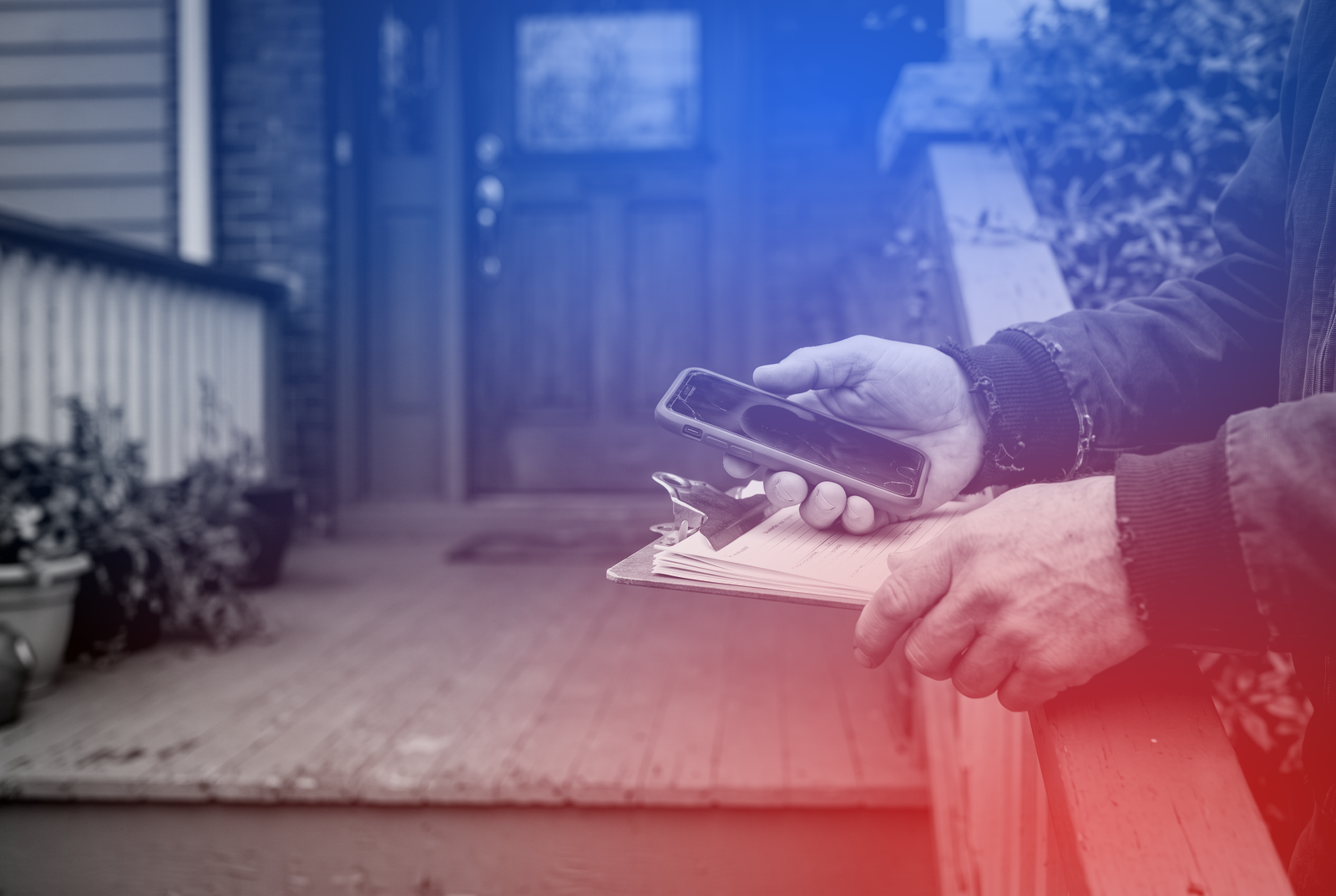
Ballot Cure by Text, Saving Rejected Mail Ballots
Thousands of mail ballots get rejected every election over signature and paperwork issues, and most can be fixed. Here's how campaigns use texting to run a ballot cure program and save votes that would otherwise be tossed.
Personalizing Political Texts with Merge Fields
Merge fields let you send a personalized text at scale, a name, a district, a polling place. Here's how personalization works in political texting, what to personalize, and where it helps and hurts.
Political Texting for Down-Ballot and Local Races
Texting isn't just for big campaigns. Here's why it's especially powerful for down-ballot and local races, how a small campaign runs a program on a budget, and where to focus limited resources.
Texting for Advocacy and Issue Campaigns
Advocacy groups use texting to mobilize supporters, drive action, and pressure decision-makers. Here's how issue and advocacy campaigns use text differently from electoral ones, and the compliance notes that come with it.
Can Voters Reply to Campaign Texts, and Should I Let Them?
Yes, if you send from a two-way number, and you should. Replies are where texting beats every other channel: a voter asks a real question, a human answers, and that exchange moves people. One-way blasting wastes the medium's biggest advantage.
Texting for Ballot Measure Campaigns
Ballot measure campaigns face a unique challenge, persuading voters on an issue with no candidate. Here's how texting helps ballot measures with education, persuasion, and turnout, and why the message strategy differs.