voter outreach
Posts tagged voter outreach.
Coalition and Endorsement Texting
A message from a trusted group or endorser lands harder than one from the campaign. Here's how campaigns use coalition and endorsement texting to borrow credibility, the compliance care it takes, and how to coordinate it.
What Is a Text Campaign? The Parts of a Political Texting Program
A text campaign is an organized political texting effort with a goal, an audience, a message, and a plan. Here's what makes up a text campaign, the pieces that have to be in place, and how they fit together.
Managing a Texting Team, Roles and Workflow
A texting program at scale needs people and process, not just a platform. Here's how to structure a texting team, the key roles, and the workflow that keeps sends compliant, on-message, and responsive.
How Peer-to-Peer Texting Platforms Work
A P2P platform loads a list, presents contacts one at a time, and routes replies to a person, all while keeping a human in the loop. Here's how peer-to-peer texting tools work and what to look for.
Which Voters Actually Respond to Texts?
Response to political texts varies by voter, age, relationship, and message. Here's what shapes who replies and acts on a text, and how to use that to target and write for the voters most likely to respond.
Texting vs Digital Ads, Where Each Fits in a Campaign
Texting and digital ads do different jobs, direct, permission-based contact versus broad, paid reach. Here's how the two compare on targeting, cost, and trust, and why campaigns use them together.
The Rise of Peer-to-Peer Texting in Campaigns
Peer-to-peer texting went from a workaround to a core campaign channel in a few cycles. Here's why P2P rose, what drove its adoption, and where the human-in-the-loop model fits alongside broadcast.
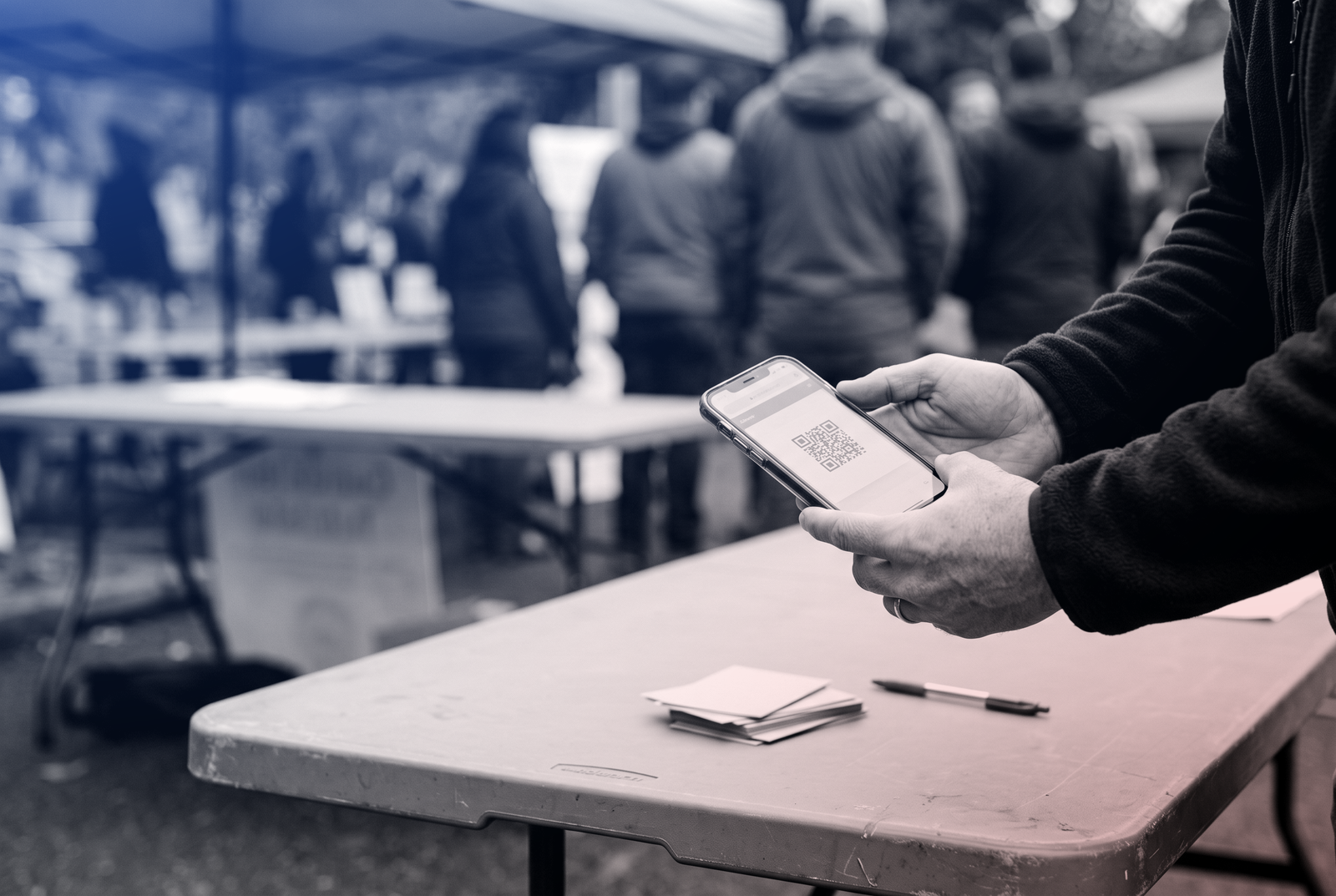
Running a Voter Registration Drive by Text
Texting can drive voter registration, pointing people to register, checking status, and hitting deadlines. Here's how campaigns and groups run a registration drive by text, and how it doubles as list growth.
Petition and Ballot-Access Signature Gathering by Text
Getting on the ballot and qualifying measures both run on signatures, and texting can accelerate the gather. Here's how campaigns use text to drive petition signing, recruit circulators, and track progress against a deadline.
Youth Voters and Texting, What the Data Says
Young voters are text-native, but reaching them takes more than a text. Here's what the evidence suggests about texting youth voters, why relationship and relevance beat channel-native assumptions, and how to turn out a low-propensity group.
Texting and Tele-Town Halls, Driving Attendance and Engagement
A tele-town hall only works if people join, and texting is how you fill the call. Here's how campaigns use text to drive tele-town hall attendance, prompt participation, and follow up afterward.
The 2026 Midterms, What to Expect in Political Texting
Heading into the 2026 midterms, three forces will shape campaign texting, record volume and voter fatigue, a tightening state-law patchwork, and the spread of AI and RCS. Here's the outlook and how to prepare.