voter outreach
Posts tagged voter outreach.
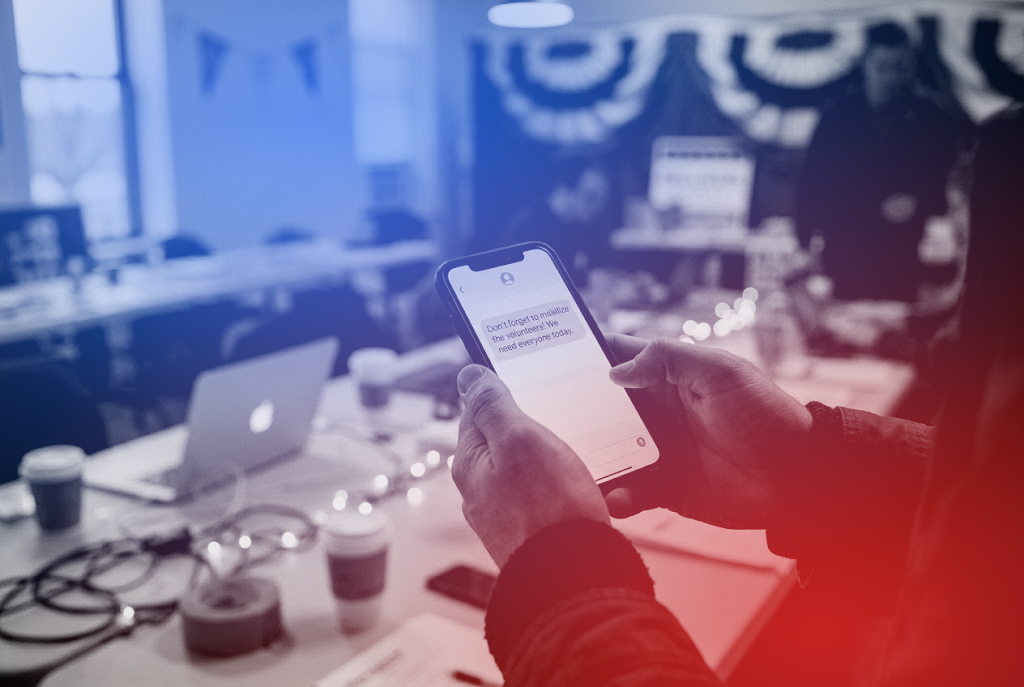
What Is Political Texting? The Complete Guide for Campaigns
Political texting is how campaigns reach voters by SMS and RCS to persuade, mobilize, fundraise, and organize. This complete guide covers how it works, the two formats, use cases, the rules, cost, and how to start a program that lands.

Peer-to-Peer vs Broadcast Texting, Which One and When
P2P is one person sending one message at a time; broadcast is one message to a whole list. This complete guide covers how each works, the legal and practical trade-offs, when to run which, and how to combine them into one program.
How to Write a Persuasion Text That Gets Replies
A persuasion text lives or dies on the opener and the ask. Here's the anatomy of a peer-to-peer persuasion script that gets replies, the register to write in, and the branch responses your volunteers need.
What Is Peer-to-Peer (P2P) Texting?
Peer-to-peer texting is when a real person sends each message one at a time, rather than software blasting a whole list. Here's what P2P is, why the human matters legally and practically, and what campaigns use it for.
Text vs Email vs Calls, Which Voter-Contact Channel Wins
Text, email, and phone each reach voters differently. Here's how the channels compare on open rates, reply rates, cost, and speed, and why the answer is usually to combine them, not pick one.
What Is Two-Way Texting?
Two-way texting means voters can reply and a person answers. Here's what two-way texting is, how it differs from one-way blasts, why the reply is where the value is, and what an inbox lets a campaign do.
Do Political Texts Actually Work? What the Evidence Says
Political texting is everywhere, but does it move votes? Here's what the evidence says about texting's effect on turnout and persuasion, where it works best, and how to read the claims honestly.
Political Texting by the Numbers, Key Statistics for Campaigns
The numbers that define political texting, open rates, volume, channel comparisons, and growth. Here are the key statistics campaigns should know, with the context to read them right.

Political Texting for Down-Ballot and Local Races
Texting isn't just for big campaigns. Here's why it's especially powerful for down-ballot and local races, how a small campaign runs a program on a budget, and where to focus limited resources.
Texting for Advocacy and Issue Campaigns
Advocacy groups use texting to mobilize supporters, drive action, and pressure decision-makers. Here's how issue and advocacy campaigns use text differently from electoral ones, and the compliance notes that come with it.
Multilingual Texting, Reaching Voters in Their Language
Reaching voters in the language they prefer lifts response and shows respect. Here's how campaigns run multilingual texting programs, from segmentation by language to translation quality, and why it matters for turnout.
Handling Hostile and Negative Text Replies
Every texting program gets angry replies. Here's how volunteers should handle hostile and negative responses, when to disengage, when to honor an opt-out, and how to protect both the voter relationship and the volunteer.